Miatcoeveonnuajo
Case studies
We speak as people who kept delaying our own retirement decisions while advising others.
These case studies mirror that tension, tracing how time preferences, present bias, and
cultural expectations in India play out in real conversations and how small reframes can
shift outcomes.
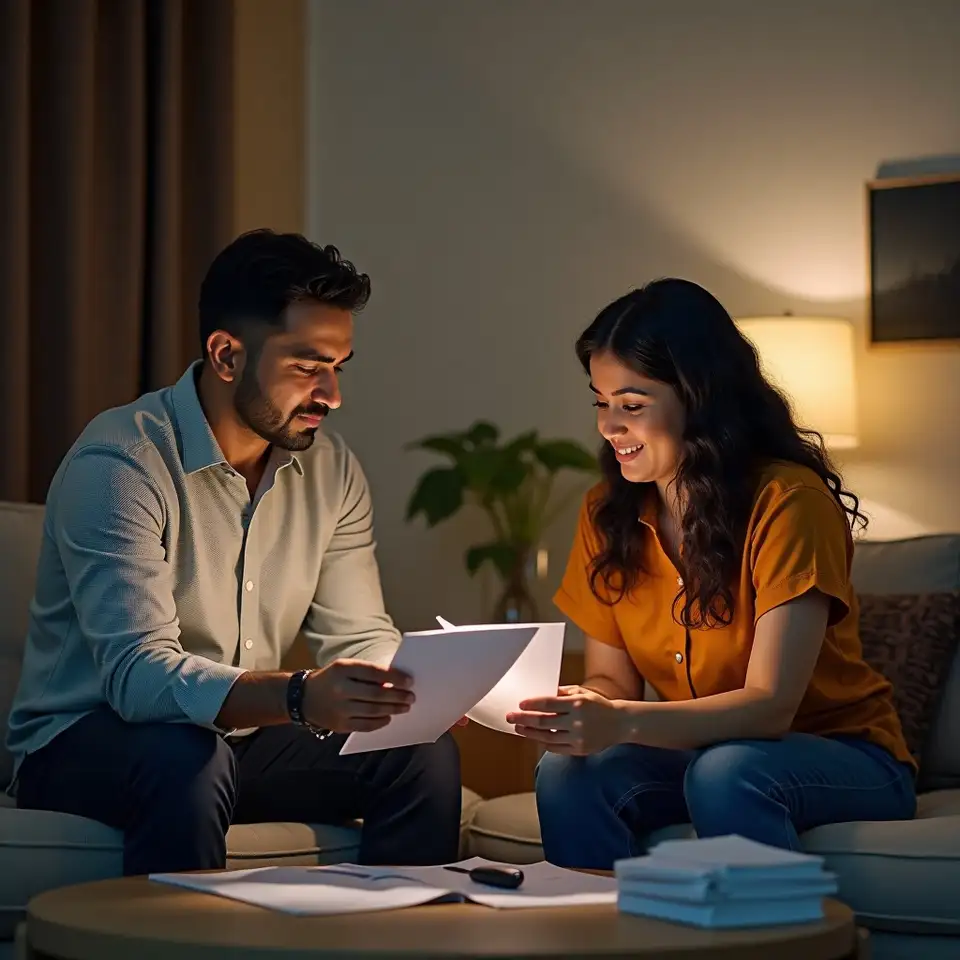
Present bias
Couple delaying decisions
We kept meeting couples who could explain compound growth yet still postponed every
long-term decision. In this set of case studies, we follow one such pair as they
move from vague intentions to a clearer view of later-life phases. By mapping their
present bias, using comparison tables, and gently adjusting how we framed timelines,
they shifted from delaying choices to setting realistic contribution paths that
respected current pressures.

Time horizon
Self-employed and cautious
Self-employed professionals often face irregular income and a strong focus on
near-term liquidity. One case tracks a client who repeatedly avoided annuity
conversations because payouts felt too far away. Through a visual map of future
expenses and a phased view of retirement, he began to see how different income
patterns might feel in daily life. The goal was not perfection, but a calmer balance
between flexibility today and stability later.

Family focus
Family and obligations
Intergenerational duties in India can pull attention away from personal later-life needs. Our family-focused case study follows parents supporting adult children while worrying quietly about their own retirement. By separating gifts, obligations, and personal reserves into clear categories, and by acknowledging cultural expectations, they found a way to protect some future income without abandoning family goals or relying solely on informal promises.
Scenario snapshots

Step-up contributions
A couple in their early forties arrived with multiple small savings plans, credit obligations, and a strong desire to maintain current lifestyle comforts. Their time horizon stopped at their children’s graduation. We created a three-panel storyboard showing life in their fifties, sixties, and seventies, linking each phase to potential income sources. A comparison table then contrasted keeping contributions flat with gradually increasing them. Seeing the trade-offs visually helped them accept a modest step-up path instead of waiting for a perfect future moment.

Balancing flexibility
A self-employed designer preferred holding large balances in current accounts, viewing anything that locked funds as restrictive. He heavily discounted outcomes beyond his late sixties and resisted annuity discussions. We used a simple cash-flow lane diagram: one lane for flexible funds, another for predictable later-life income. By simulating mild health shocks and longer life expectancy, he saw how a partial annuity could support basic needs while keeping a reserve flexible. He chose a mixed approach that matched his comfort with uncertainty.
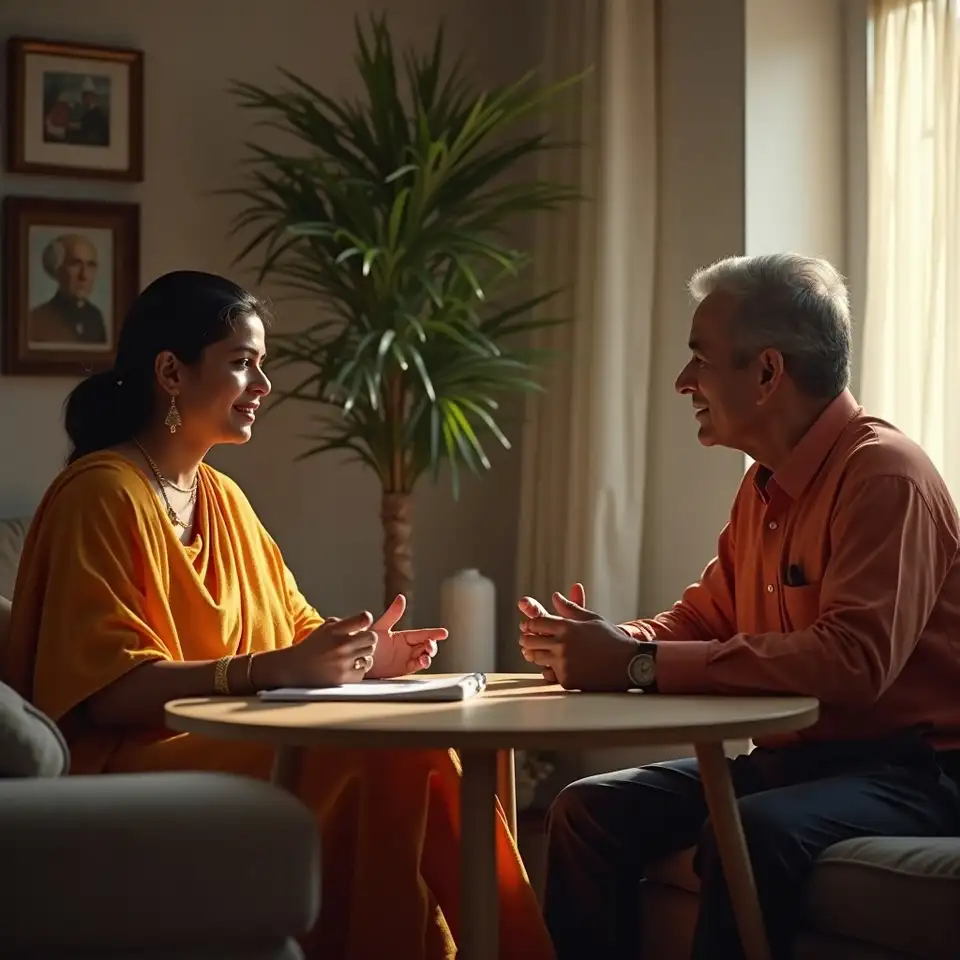
Shared responsibilities
An extended family shared a home, with parents helping adult children through
key milestones. Retirement planning felt secondary and was often postponed. We
introduced a worksheet that separated family support, shared expenses, and
personal later-life needs into distinct sections. Then we layered a simple time
axis, showing when each obligation might peak or decline. This structure
revealed a window where redirecting modest amounts toward retirement felt
manageable, without abandoning cultural expectations.

Clarifying options
An employee close to retirement felt overwhelmed by multiple pension and gratuity options. The future looked like a blur of forms and numbers, so decisions were repeatedly delayed. We built a one-page comparison that grouped choices by how predictable, flexible, or variable their income might be. Alongside, we mapped three possible lifestyles with different spending bands. Aligning each option with a lifestyle picture reduced anxiety and helped her make paced decisions instead of last-minute rushed choices.
These case studies are composites drawn from real patterns in India. They show how present bias, discounting, and cultural expectations can quietly steer retirement choices, and how small design shifts in conversations can change the path.
Time preference in action: retirement stories behind the numbers
In the first case, a salaried couple in their early forties arrived with many scattered accounts and a strong pull toward near-term spending. They understood, in theory, that delaying retirement planning could reduce later-life options, yet every discussion drifted back to school fees, holidays, and home repairs. Present bias was visible in the way they discounted anything beyond ten years. We introduced a side-by-side table comparing today’s spending with projected income in three later-life phases, which made trade-offs more concrete without pressure.
Another case involved a self-employed professional who resisted annuity discussions because the payouts felt abstract and distant. He preferred holding liquid balances, even though this left his later years exposed to inflation and health shocks. His time preferences showed up as steep discounting of outcomes beyond his late sixties. By using a visual timeline that mapped predictable expenses, potential medical costs, and varying income streams, he could see how different annuity choices might feel in daily life rather than as remote numbers.
We also studied a family navigating intergenerational expectations. The parents wanted to support adult children with housing and celebrations, while still hoping for a comfortable later life. Their decisions were shaped by cultural norms and the belief that family would provide support if needed. This translated into softer attention to formal retirement planning. Through guided prompts, we helped them separate gifts, obligations, and personal later-life needs into distinct columns, making it easier to discuss boundaries, timing, and partial protections without judgement.
Across these and other scenarios, the turning point rarely came from new products or
complex formulas. Instead, it came from reframing time. When clients saw retirement not
as a single distant date but as a series of phases with different income and expense
patterns, their discounting softened. Small, repeatable changes, such as modest
increases in long-term contributions or staged annuity decisions, became acceptable. Our
role in each case was to surface time preferences gently, show their impact through
simple visuals, and leave space for people to choose paths that matched their values.
What these retirement time preference cases suggest
These figures summarise patterns across fictionalised composites, not a formal data set. They illustrate how surfacing time preferences and present bias can gently shift the rhythm of retirement planning conversations in India.
Across these composite cases, the patterns point to consistent shifts: softer present bias, steadier contributions, and clearer annuity decisions once time preferences are surfaced and discussed calmly.
More consistent contributions
Rising
+24%
312
cases
This indicator reflects how many clients in our composite cases moved from
irregular or paused long-term contributions to a more consistent pattern after
using visual timelines and comparison tables that highlighted present bias and
discounting effects.
Revisited annuity choices
Improving
+19%
207
profiles
This measure captures scenarios where clients initially rejected annuity or structured income options, then reconsidered after seeing phase-based retirement maps that linked payouts to daily living needs in later years.
Earlier decision engagement
Stable
+17%
186
journeys
This metric tracks composite cases in which clients reduced last-minute, deadline-driven retirement decisions by starting structured discussions earlier, supported by clear, behavior-aware explanations of time preferences.
Tool adoption
Tool adoption
68%
This indicator reflects how far our behavior-aware tools, such as timelines and
tables, have been integrated into real retirement conversations, based on
practitioner feedback about regular use rather than occasional trials.
Clarity gains
Clarity gains
74%
This measure shows the share of composite cases where clients reported feeling
clearer about trade-offs between present spending and later-life security after
discussions that explicitly addressed time preferences and discounting.
Follow-through
Follow-through
62%
This value represents the proportion of journeys where practitioners noted steadier follow-through on agreed retirement steps, suggesting that small, repeatable adjustments were easier to maintain than one-time, drastic changes.
Decision pacing
Decision pacing
59%
This indicator captures how many scenarios moved from rushed, last-minute retirement choices toward paced, phase-based decisions once behavior-aware framing became part of the planning process.
Reflections from the field
These reflections are drawn from practitioners and clients who recognised their own time preferences in our case studies and found calmer ways to discuss retirement trade-offs.
1

Anita Rao
Senior manager
Mumbai
"I saw myself in the couple who kept postponing decisions. The side-by-side tables made it easier to accept small increases in long-term saving without feeling that everything had to change overnight. It felt like my present bias was finally on the page, not hidden."
Less delay
Clear trade-offs
Calmer choices
2

Rahul Mehta
Self-employed designer
Pune
"The case about the self-employed professional who disliked annuities matched my situation closely. The income lanes diagram helped me see that a partial annuity could cover basics while I kept some flexibility. I did not feel pushed, just better informed about my own time preferences."
Balanced view
Phased plan
3

Sanjay Patel
Parent and caregiver
Ahmedabad
"We related strongly to the family case that balanced children’s needs and our own later life. Separating gifts, obligations, and personal reserves on one sheet eased a lot of silent tension. It became easier to explain our limits without feeling guilty or selfish."
Family clarity
Shared plan
Less tension
4

Neha Singh
Retirement advisor
Bengaluru
"Using the case studies as conversation starters changed the tone of my meetings. Clients no longer felt judged for delaying; they felt understood. That made it easier to discuss annuity options, contribution paths, and timing without last-minute pressure. Past performance does not guarantee future results, and results may vary, but the quality of discussion has clearly improved."
Better talks
Fewer rushes