Miatcoeveonnuajo

How we turn time preferences into practical retirement tools
A clear path from behavioral theory to calm, structured retirement conversations in India.
Our structured behavioral process
1
Assess time focus
We begin by listening. In early conversations, we pay close attention to how people talk about time: which events they mention first, how far into the future they naturally look, and where they hesitate. We use simple questions and short prompts to surface present bias, such as asking how it feels to delay a contribution by a year versus reducing it slightly now. We note patterns in language and emotion, not just numbers, to build an initial map of time preferences without judgement.
2
Translate into patterns
Next, we interpret these patterns using concepts like present bias and hyperbolic discounting. Instead of lecturing about theory, we translate it into plain language: how strongly the present outweighs the future, how quickly concern drops as time stretches, and how gains and losses are framed. We then group these observations into a few clear tendencies, such as strong near-term pull or steep discounting after a certain age. This step turns raw conversation into a structured behavioral profile.
3
Overlay on retirement phases
With a behavioral profile in mind, we sketch a phase-based retirement timeline: early, middle, and later years, each with likely income and expense rhythms. We then place the observed time preferences onto this map. For example, we may highlight where attention collapses beyond a decade or where health costs feel unreal. This overlay shows which parts of the retirement path are at risk of under-attention and which decisions, such as annuity timing or savings pauses, may need extra support.
4
Design behavioral supports
Finally, we design simple supports that respond to the specific patterns we have
seen. These can include comparison tables that make trade-offs visible, gentle
commitment devices like scheduled check-ins, and reframing techniques that
present annuity choices or contribution changes in more intuitive ways. Each
tool is built to work inside normal advisory or family conversations in India.
We stress that they guide discussion, not dictate outcomes, and that revisiting
decisions as life changes is expected.
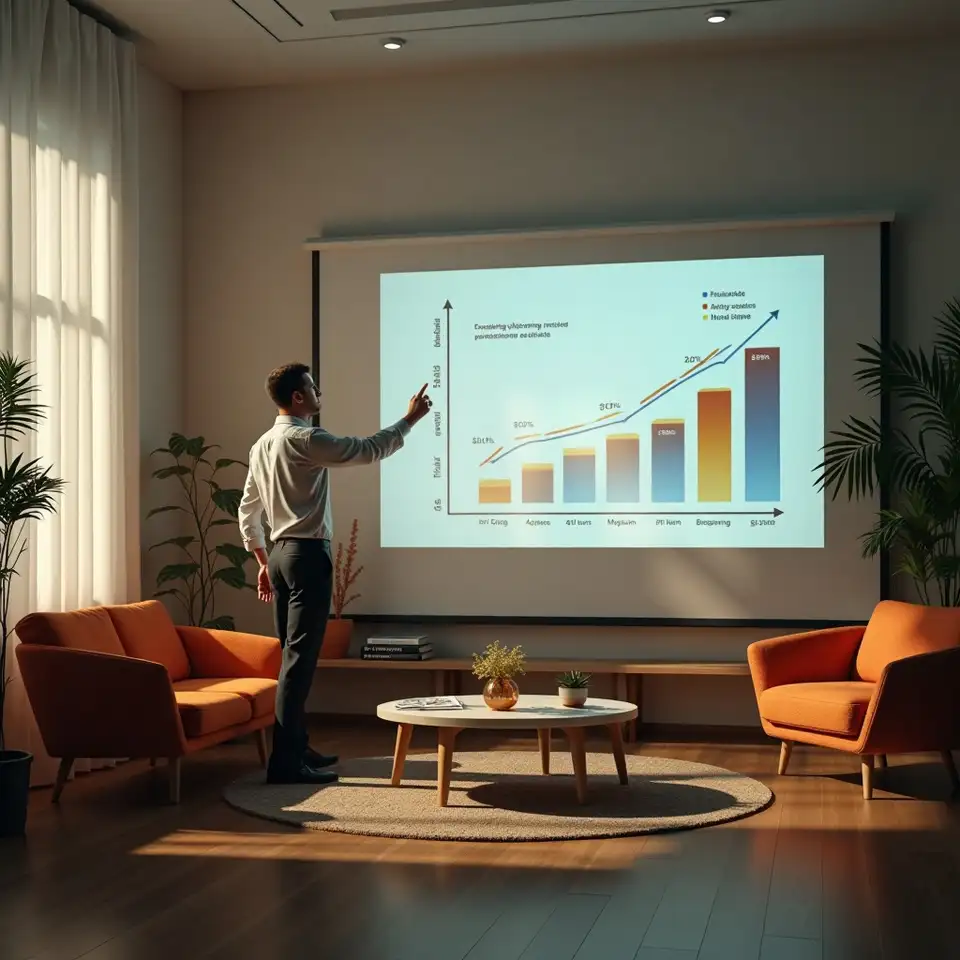
Techniques inside our time preference methodology
Our methodology combines a few specific behavioral techniques, adapted to the realities of retirement conversations in India, to make long-term decisions feel clearer and less overwhelming.
Time Horizon Sketch and pattern naming
We start by surfacing time preferences explicitly, using what we call the Time Horizon Sketch. You describe key life events and retirement hopes along a rough timeline, while we quietly note where attention fades or jumps. We then name patterns like present bias or steep discounting in simple language, so you can see how they shape your comfort with long-horizon choices. This shared map becomes the base for every later discussion about savings, annuities, and work patterns.
Framing retirement options for clarity
Next, we introduce framing techniques to change how options feel without changing their underlying structure. For example, we may present annuity choices as monthly lifestyle bands rather than abstract payouts, or show contributions as small, phased adjustments instead of one large leap. This step draws on framing and mental accounting research, but the experience is straightforward: you compare a few clear pictures and notice which ones make decisions feel calmer and more manageable.
Gentle commitment devices and reviews
Once options are clearer, we add light commitment devices that respect your
autonomy. These can include scheduled review dates, written explanations of why a
decision feels right today, or simple reminders tied to predictable events like
annual appraisals. The aim is not to lock you in, but to create gentle friction
against impulsive reversals driven by short-term emotion. You remain free to change
course, but you do so with a record of your earlier reasoning.
Contextual mental accounting prompts
Finally, we tailor mental accounting prompts to your context in India. We may
suggest mentally separating core later-life income from discretionary spending, or
distinguishing family support from personal reserves on your timeline. These prompts
help you see how rupees assigned to different mental buckets affect your sense of
security and flexibility. Throughout, we remind you that these are tools for
reflection, not prescriptions, and that professional advice is essential before
making significant financial decisions.
Why this method
How our behavioral methodology improves retirement planning follow-through
We built this methodology after watching standard retirement plans clash with how people
in India actually treat time, uncertainty, and near-term pulls.
Grounded in real behavior
Traditional retirement planning often assumes that people evaluate future and
present rupees in a smooth, consistent way. Our method begins by mapping how
attention really behaves in conversations: where it narrows to this month’s
expenses, where distant outcomes feel vague, and where emotions spike. By
treating present bias and discounting as measurable patterns rather than flaws,
we design tools that sit closer to lived behavior and reduce the gap between
plans and action.
02
Story before spreadsheet
Standard templates usually start with target numbers and detailed projections.
We reverse that flow. First, we build a sensory picture of later-life phases,
then we overlay time preferences, and only then do we introduce contributions or
annuity options. This sequence respects how people understand stories before
spreadsheets. It helps clients grasp why certain trade-offs feel hard and keeps
long-horizon discussions anchored in concrete, human detail.
Built for real life
Many frameworks offer one rigid path that assumes stable income and perfect follow-through. Our methodology accepts irregularity from the start. We use small, repeatable adjustments, phase-based reviews, and simple check-ins that fit into existing routines. This makes it easier to maintain progress when life interrupts. Plans become flexible structures rather than brittle commitments that break after the first unexpected event.
Local and contextual
Off-the-shelf planning tools often ignore local norms, such as shared housing, intergenerational support, and informal safety nets. Our method is tuned to India. We explicitly surface family expectations, cultural duties, and typical retirement schemes, then examine how these interact with time preferences. This local lens helps practitioners create conversations that feel relevant and respectful, instead of importing assumptions from other contexts.
05
Honest about uncertainty
Instead of hiding uncertainty behind precise numbers, our methodology keeps
uncertainty visible. We present ranges, scenarios, and alternative paths, and we
state clearly that past performance does not guarantee future results and that
results may vary. This transparency supports trust. Clients can see that tools
are there to clarify options, not to promise outcomes, which makes it easier to
commit to realistic, revisable steps.

Our lens
From present bias and hyperbolic discounting to phase-based timelines, we use behavioral research as a lens, not a script, for retirement conversations in India.
Our methodology sits on a simple bridge: we translate behavioral theories of time
preferences into practical retirement prompts. We draw on present bias, hyperbolic
discounting, mental accounting, and framing effects to understand why distant outcomes
feel weak and near-term pulls feel heavy. Then we convert those insights into
phase-based timelines, comparison tables, and small commitment tools that fit into
ordinary meetings in India, always as general information, never as personalised advice.
Talk with us